

【Azabu-Juban】 New Delicatessen “Mikuraya” Opened in May. ‘We Sell 15 Kilograms of Karaage Every Day’ — Lunch Service and Evening Izakaya Also Available
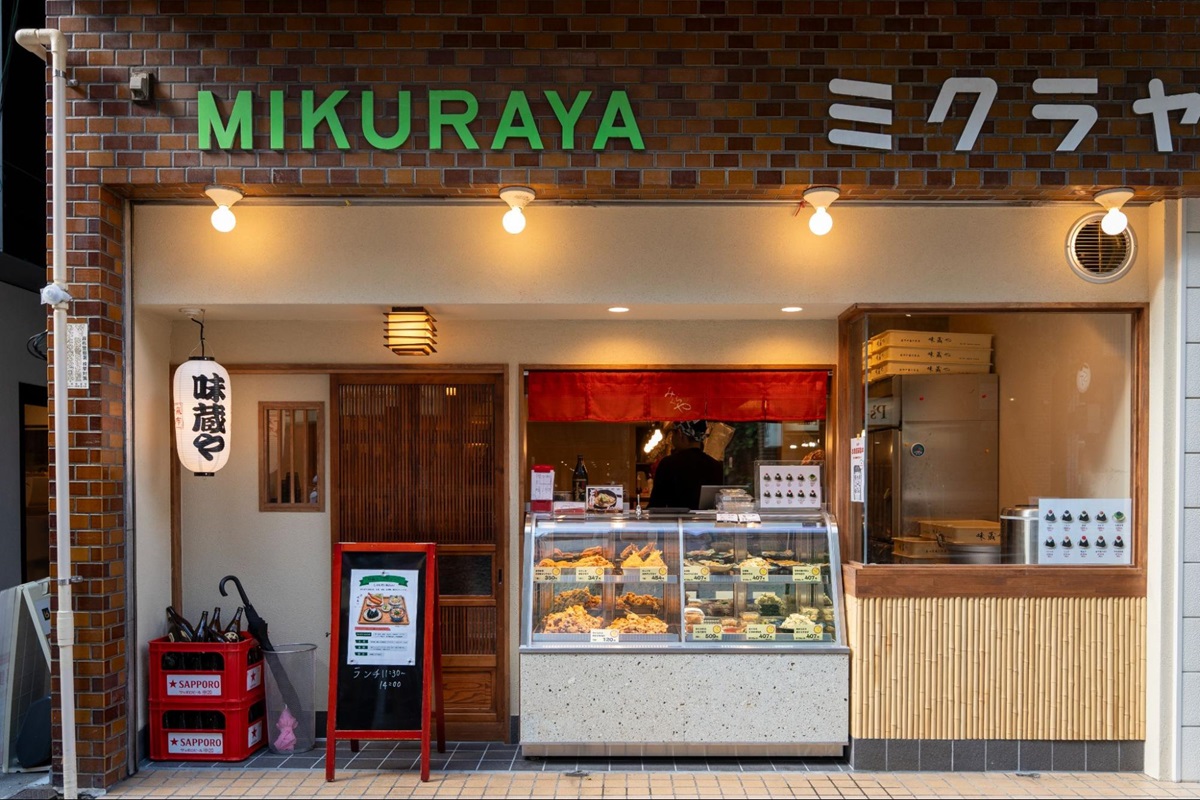
Mikuraya Azabu-Juban Sohonten is a delicatessen that opened along Azabu-Juban’s main shopping street in May 2026. The shop is conveniently located roughly halfway between our hotel, THE LIVELY Tokyo Azabu-Juban, and Azabu-Juban Station on the Tokyo Metro Namboku Line. Situated near the intersection of Azabu-Juban Avenue and Zoshiki Street, the store enjoys a bright, open atmosphere, with its south-facing storefront bathed in natural sunlight—an enviable location in the heart of the Azabu-Juban shopping district.
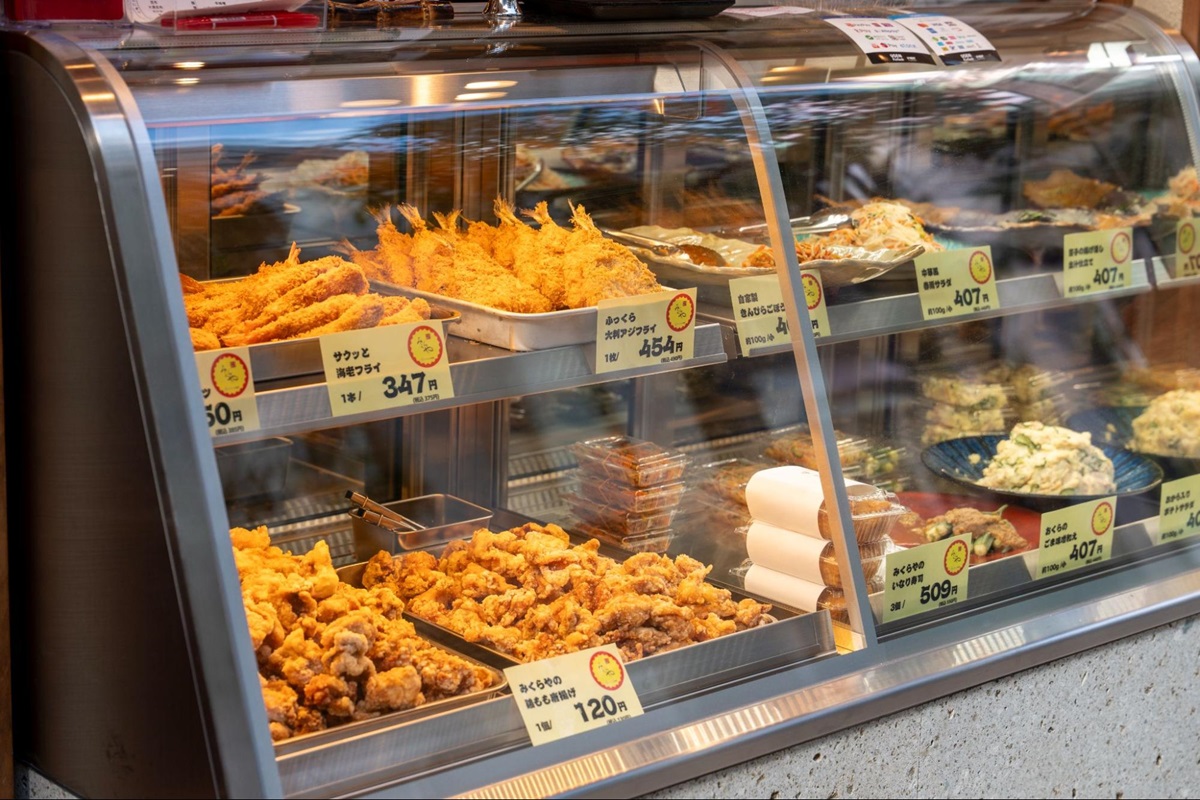
At the front of the shop, a display case showcases a wide selection of prepared foods. Piles of Karaage (Japanese fried chicken) sit alongside various fried dishes and side dishes such as Kinpira Gobo (braised burdock root). On sunny afternoons, the fried foods glow amber through the glass, making it difficult to walk past without stopping. Despite having been open for only about a month, the shop has already become a local favorite, with residents constantly dropping by to pick up prepared foods. According to one employee, “We make 15 kilograms of karaage every day, and it usually sells out by evening.”
Excluding Sundays, the shop operates both a lunch service and an evening izakaya.
For lunch, guests can enjoy a set meal featuring freshly made Onigiri (rice balls), pickles, and Tonjiru (pork miso soup), along with a choice of one fried item and one side dish from the deli counter. There are ten different onigiri fillings available, offering plenty of variety.
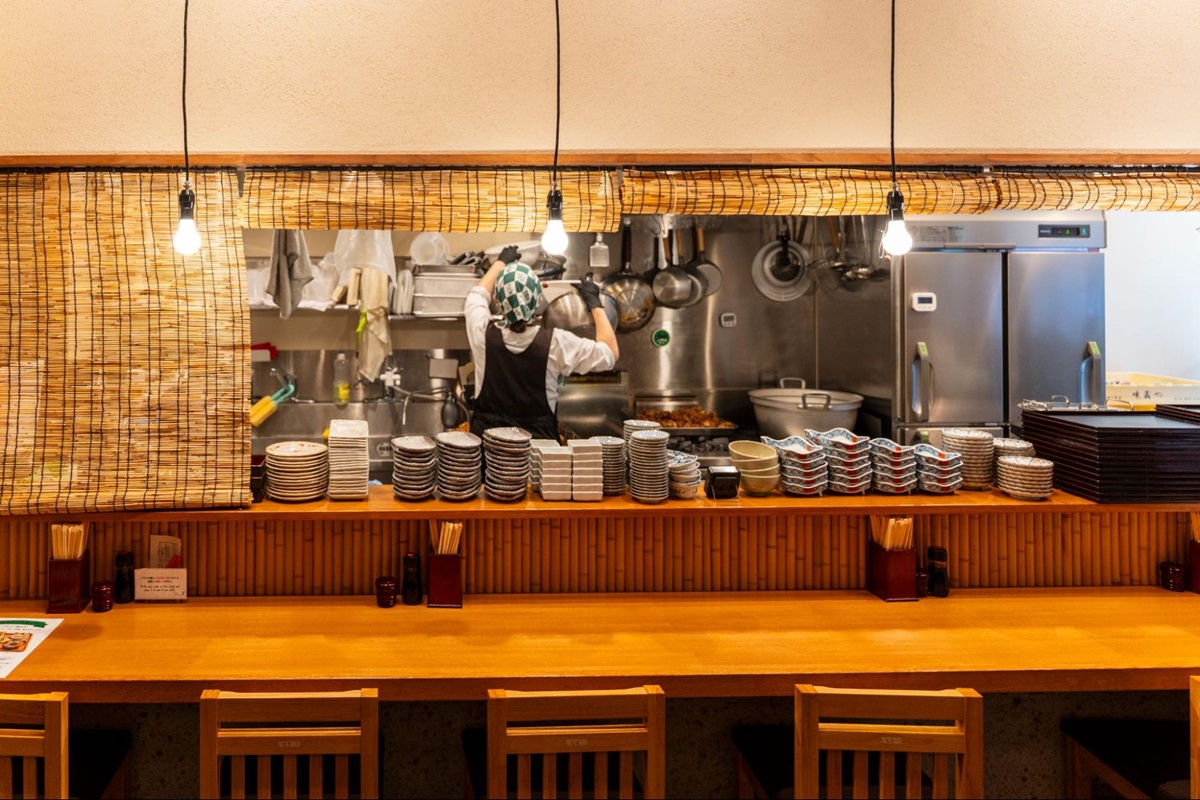
The dining area includes a six-seat counter, two tables seating four guests each, and a small two-seat counter tucked away at the back. It is equally suitable for solo diners and small groups. An open kitchen allows guests to watch the food being prepared up close. Seeing the rice balls shaped by hand and dishes assembled before your eyes adds a sense of energy to the experience—and whets the appetite.
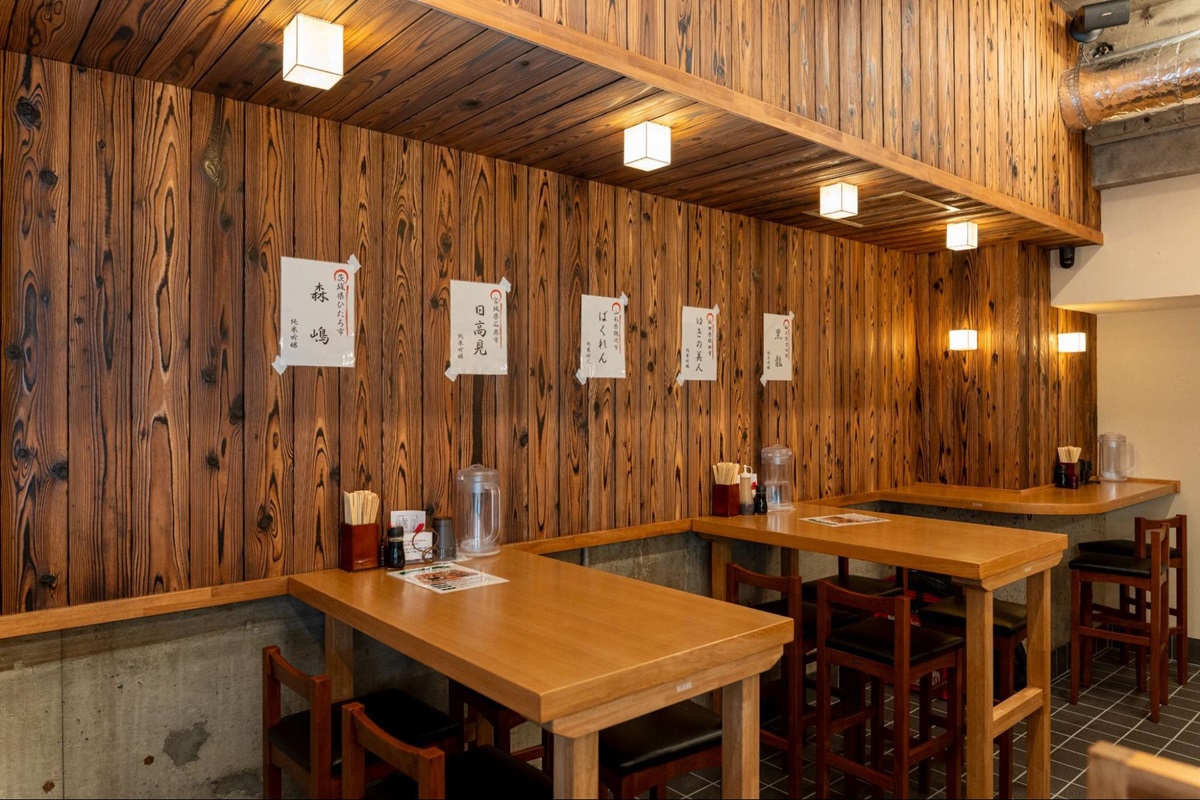
In the evening, the restaurant transforms into a standing-style izakaya, offering room for 14 guests at standing tables as well as 6 seats for those who prefer to sit. The menu features classic izakaya fare such as fried dishes, small plates, Hiyayakko (chilled tofu), Edamame (boiled soybeans), and Mabo Dofu (Japanese-style mapo tofu), all priced at 500JPY.
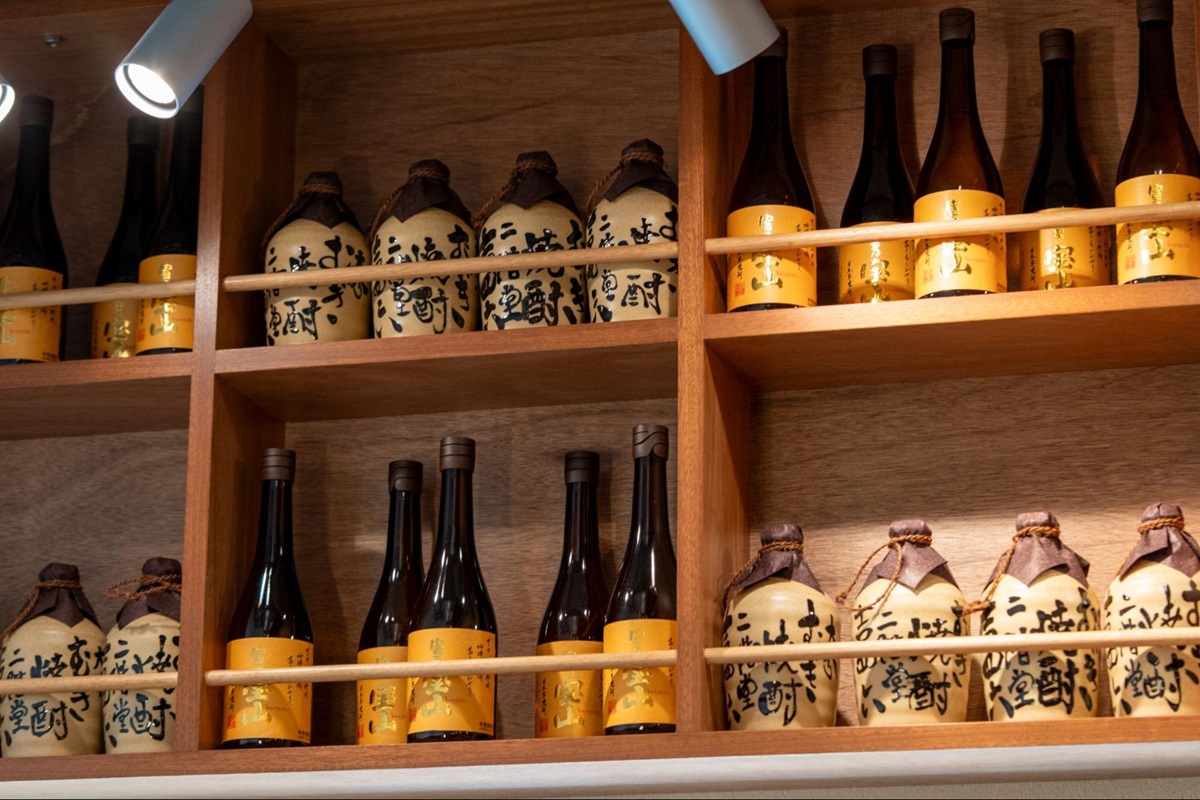
The restaurant also occasionally offers a rotating “Today’s Special,” ensuring there is always something new to discover. The sake selection focuses on relatively dry, clean styles that pair well with food. There is even a secret menu item: an Ochazuke (rice in tea broth) made using the same rice and fillings found in the shop’s onigiri. Whether you’re looking for a quick drink after work or a leisurely evening with sake, Mikuraya offers a welcoming place to stop by.
A Lunch Set with Your Choice of Onigiri Filling and Side Dishes
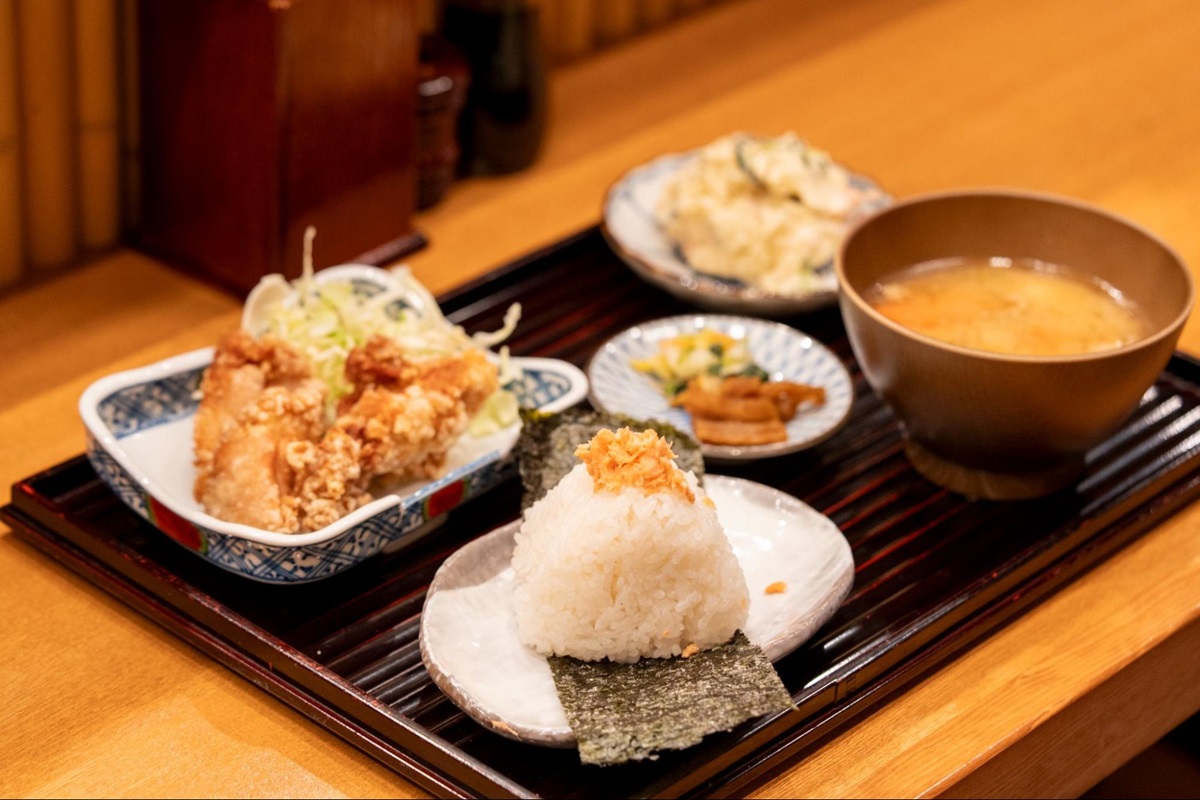
For this visit, our staff sampled the lunch set, which allows guests to choose one main dish and one side dish. While the set meal normally includes a single selection from each category, this article highlights several menu items in order to showcase the variety on offer.
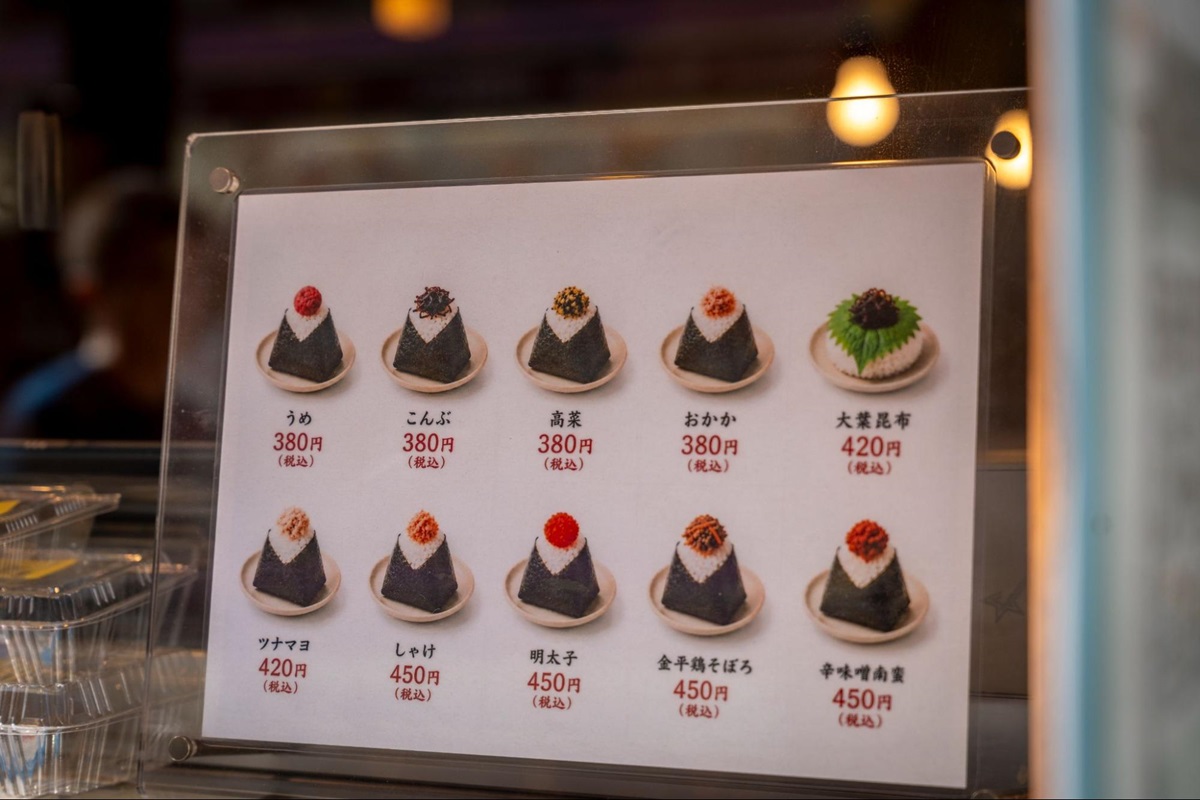
The onigiri are made using rice sourced from Niigata and paired with specialty ingredients from around Japan. Guests can choose from ten fillings, ranging from familiar options such as Sake (salted salmon) and Tuna Mayo (tuna mayonnaise) to more distinctive choices like Karami Miso Nanban (spicy miso peppers) and Ooba Kombu (shiso-flavored kelp).
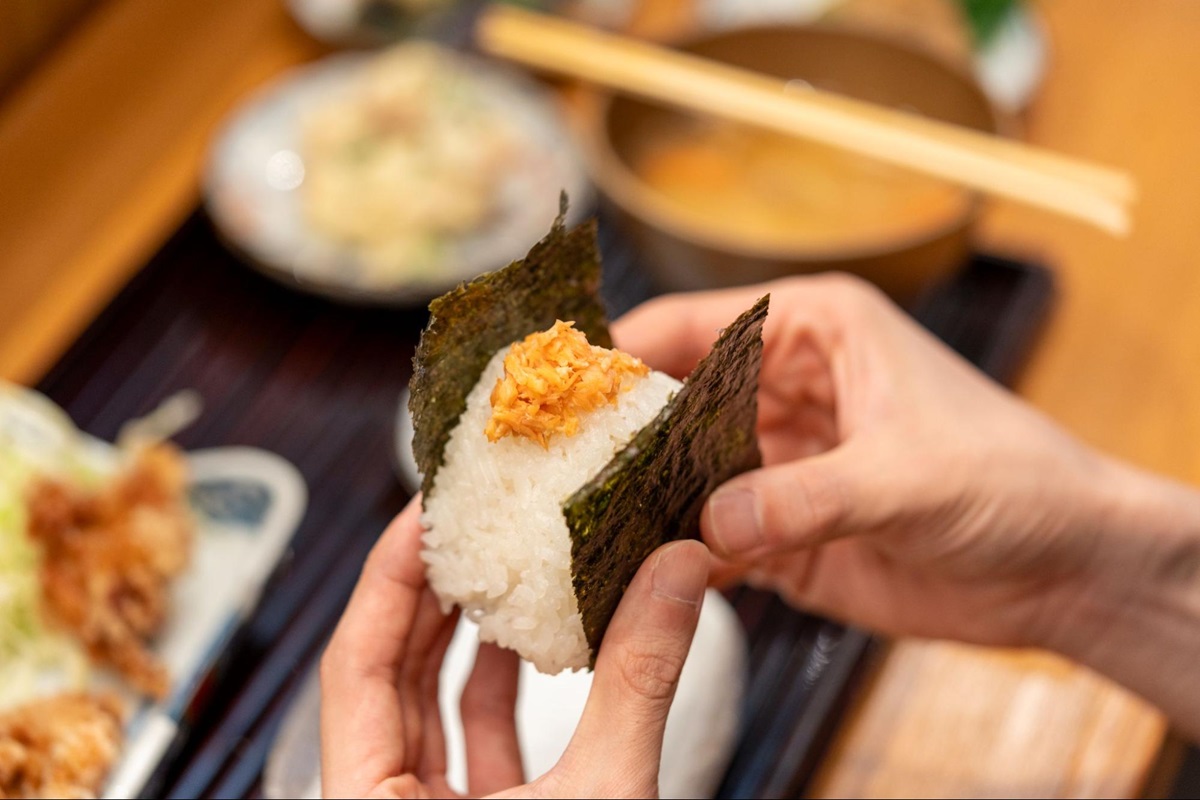
We chose the shop’s most popular filling, Sake (salted salmon). In a distinctive presentation style, the filling is not only tucked inside the triangular rice ball but also placed on top. This allows diners to immediately see the ingredient and experience how it pairs with the rice from the very first bite.
The rice is cooked on the softer side, yet each grain remains distinct and glossy, almost appearing ready to burst. It carries a gentle sweetness and a smooth, delicate texture reminiscent of silk. The salmon is flaked into pieces large enough to retain its natural richness and aroma, allowing it to stand out against the clean flavor of the rice. Rather than delivering a heavily seasoned or indulgent taste, the onigiri encourages diners to appreciate the individual qualities of both the rice and the salmon.
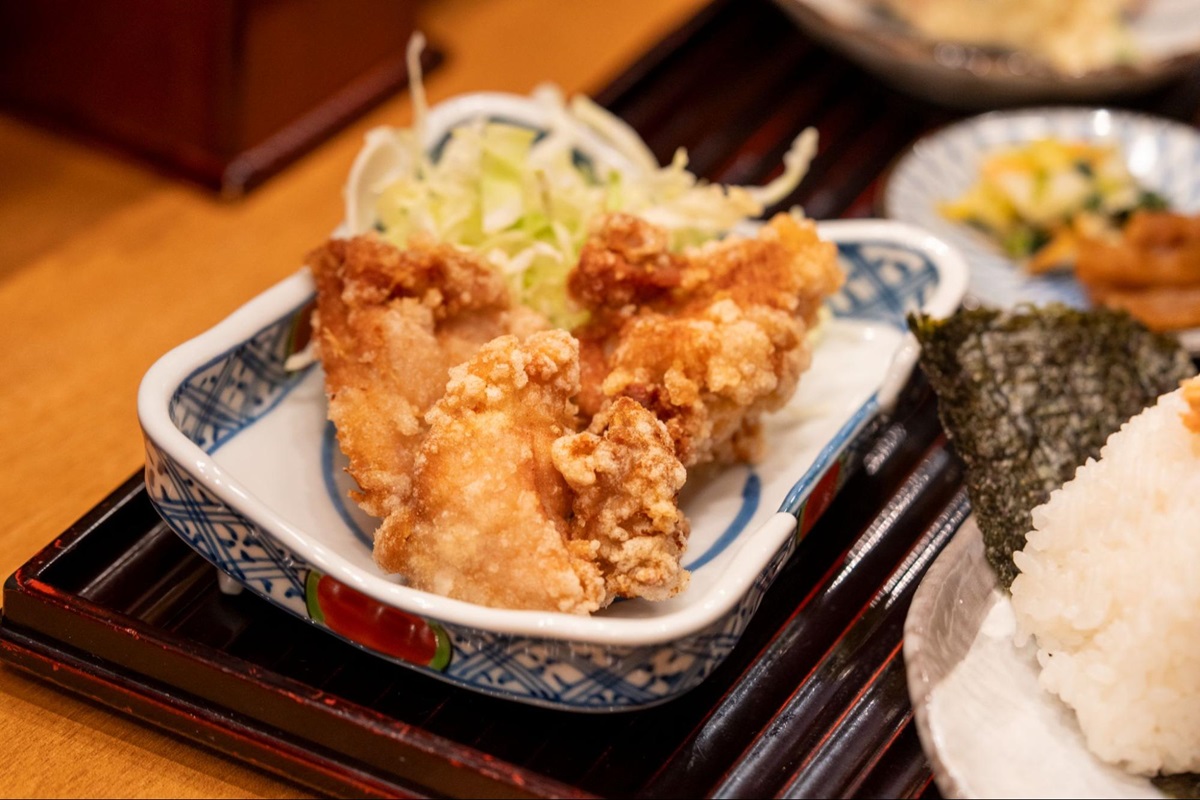
The fried dishes showcased the strengths one would expect from a dedicated delicatessen.
The Karaage (Japanese fried chicken) is marinated from the day before, allowing the seasoning to fully penetrate the meat. Its potato-starch coating is light and crisp, providing excellent texture. While the crust is pleasantly fragrant, the lingering impression comes from the chicken’s natural umami and the clean finish of the marinade.
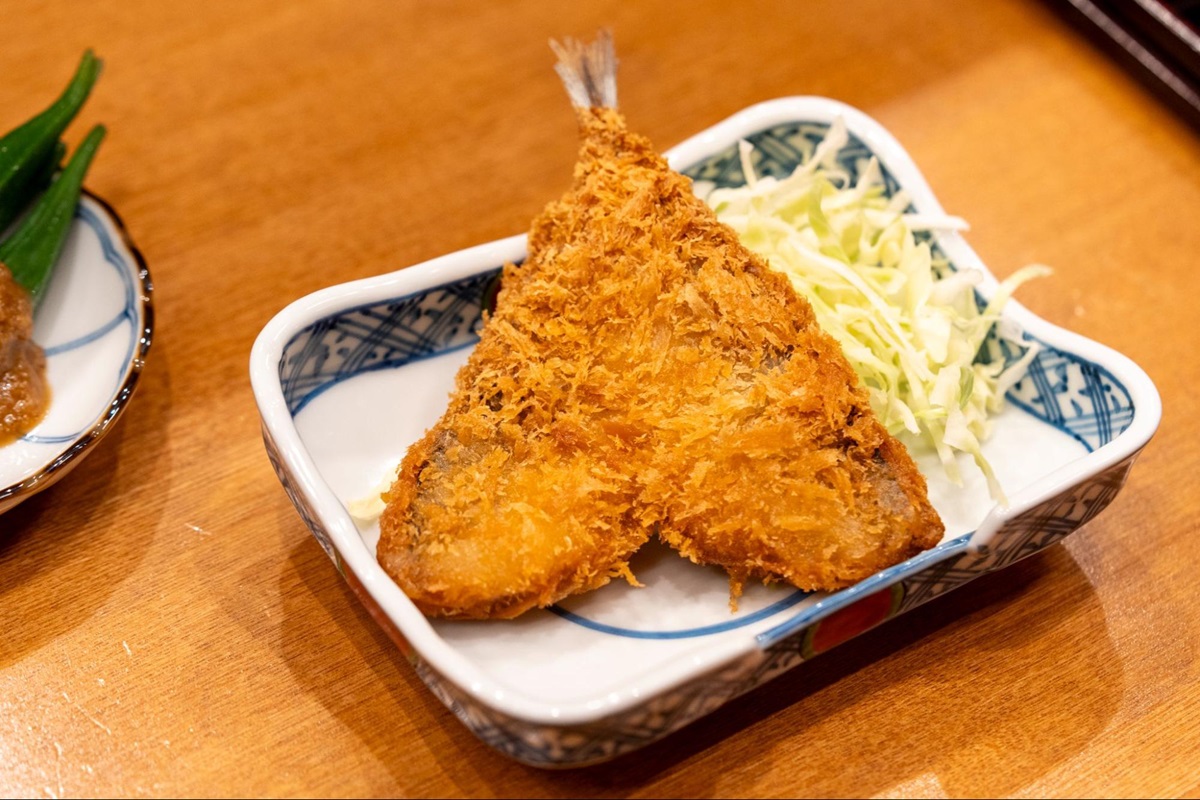
Another popular item is the Aji Fry (deep-fried horse mackerel). Thick, plump fillets are coated in light breadcrumbs that allow the fish’s own richness to shine through. Despite being fried, the dish never feels heavy. There is no trace of fishiness, and even the small bones are virtually unnoticeable.
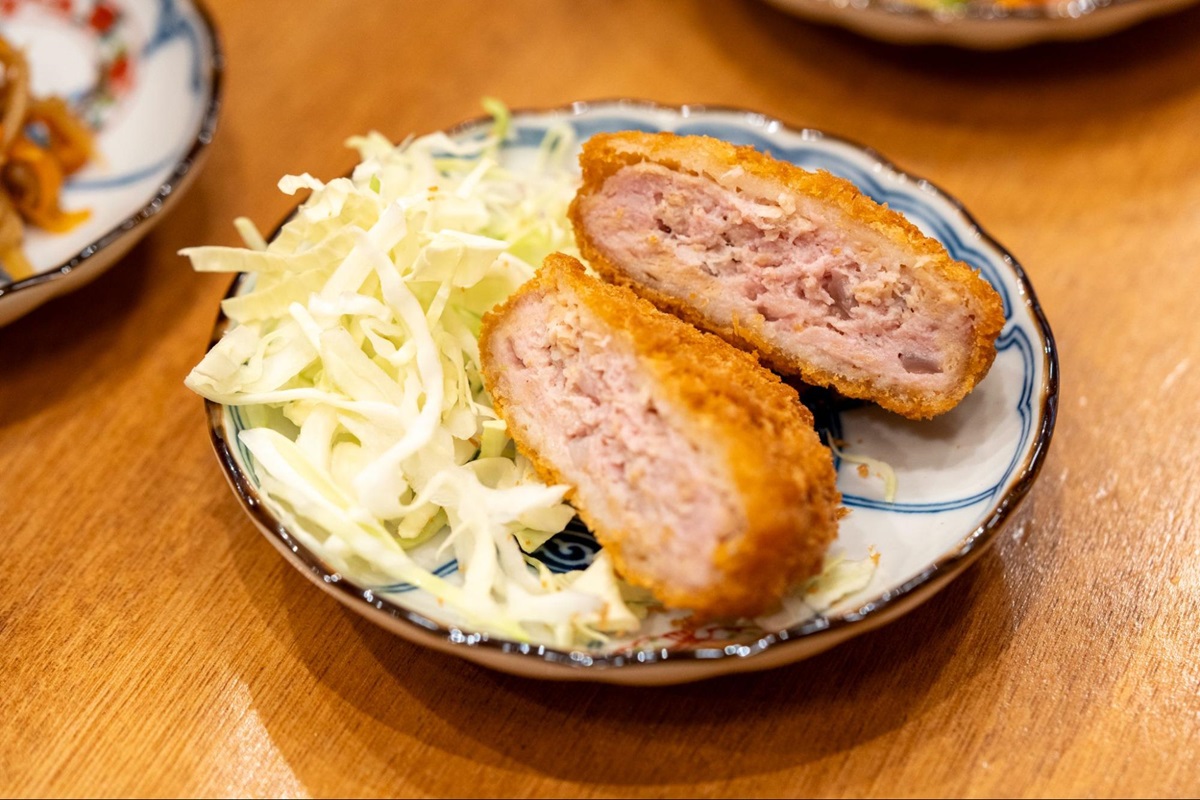
The Menchi Katsu (Japanese minced meat cutlet) is equally impressive. Free from the dry, crumbly texture that often accompanies ground meat, the filling remains moist and tender, gently falling apart with each bite. The cooking is precise, allowing the meat’s flavor to take center stage.
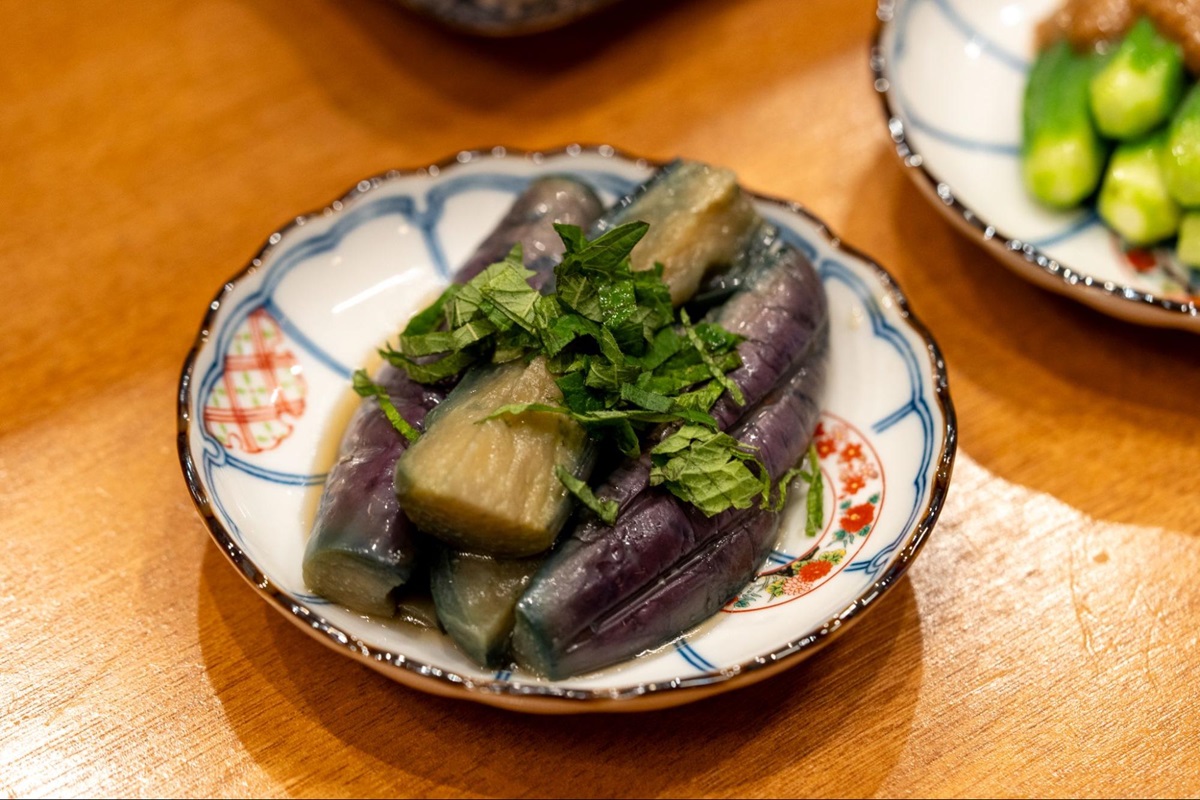
The side dishes were just as carefully prepared.
Particularly memorable was the Nasu no Agebitashi (fried eggplant soaked in dashi broth). Wedges of eggplant are lightly fried and then immersed in a generous amount of broth. When pierced, the dashi bursts from the flesh like a water balloon, delivering a comforting, deeply satisfying flavor. Fresh shiso leaves provide an elegant accent.
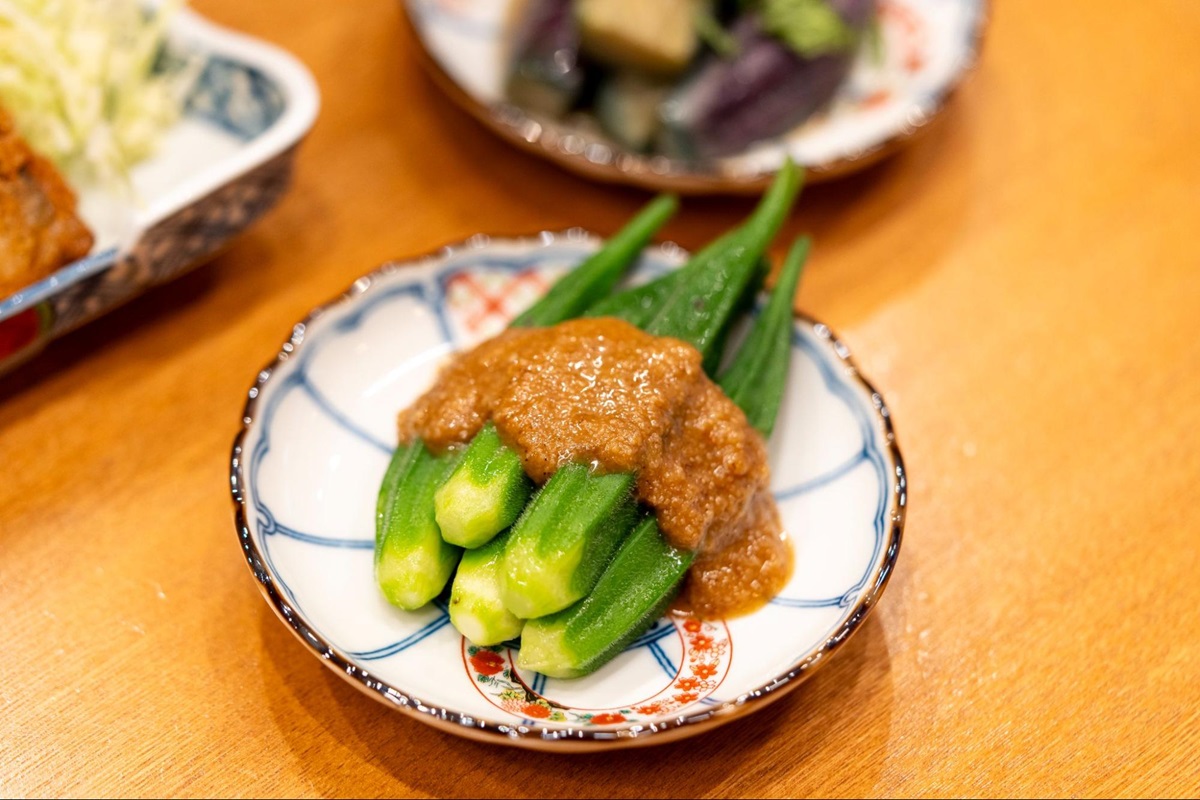
The Okura no Miso-ae (okra dressed with sweet miso) layers sweet miso over the clean, subtle sweetness of okra. Within a meal largely centered on savory flavors, it adds not only visual contrast but also a welcome change of taste.
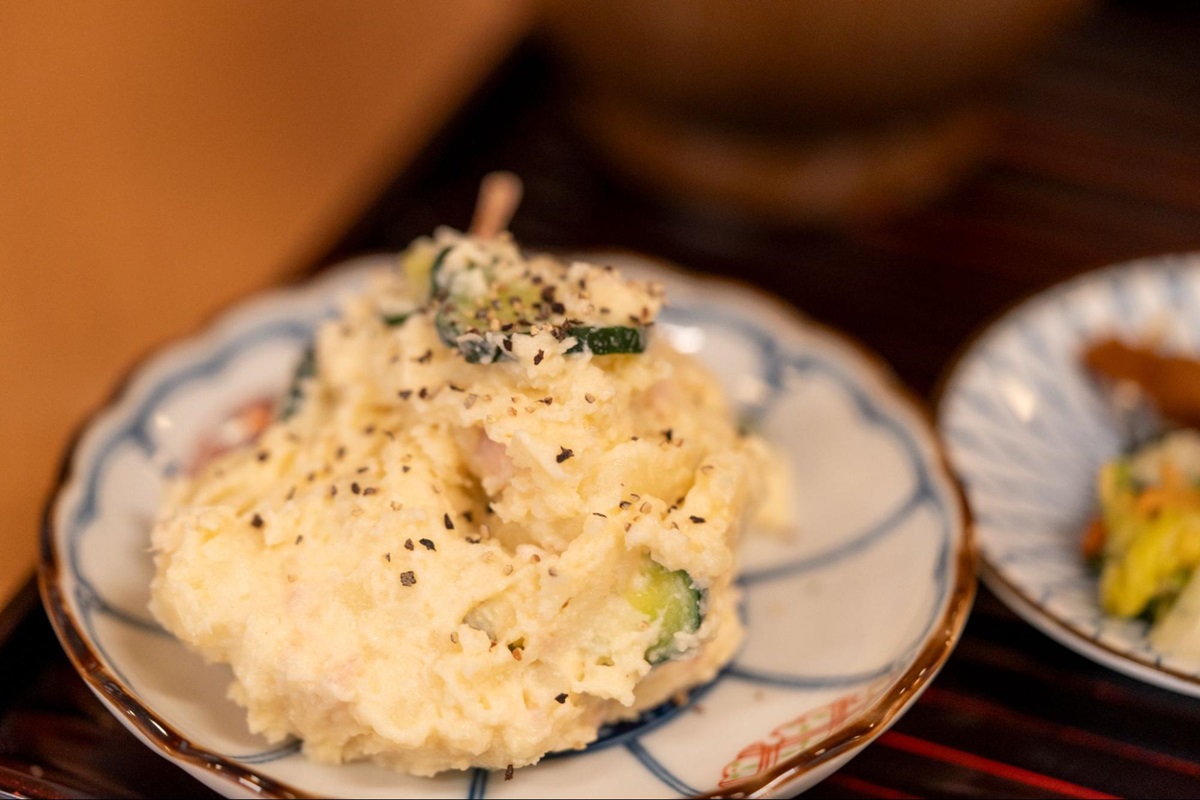
Even the seemingly ordinary Potato Salad reveals thoughtful craftsmanship. The richness of okara softens the sharp acidity of the mayonnaise, allowing the flavors of the vegetables to come through more clearly.
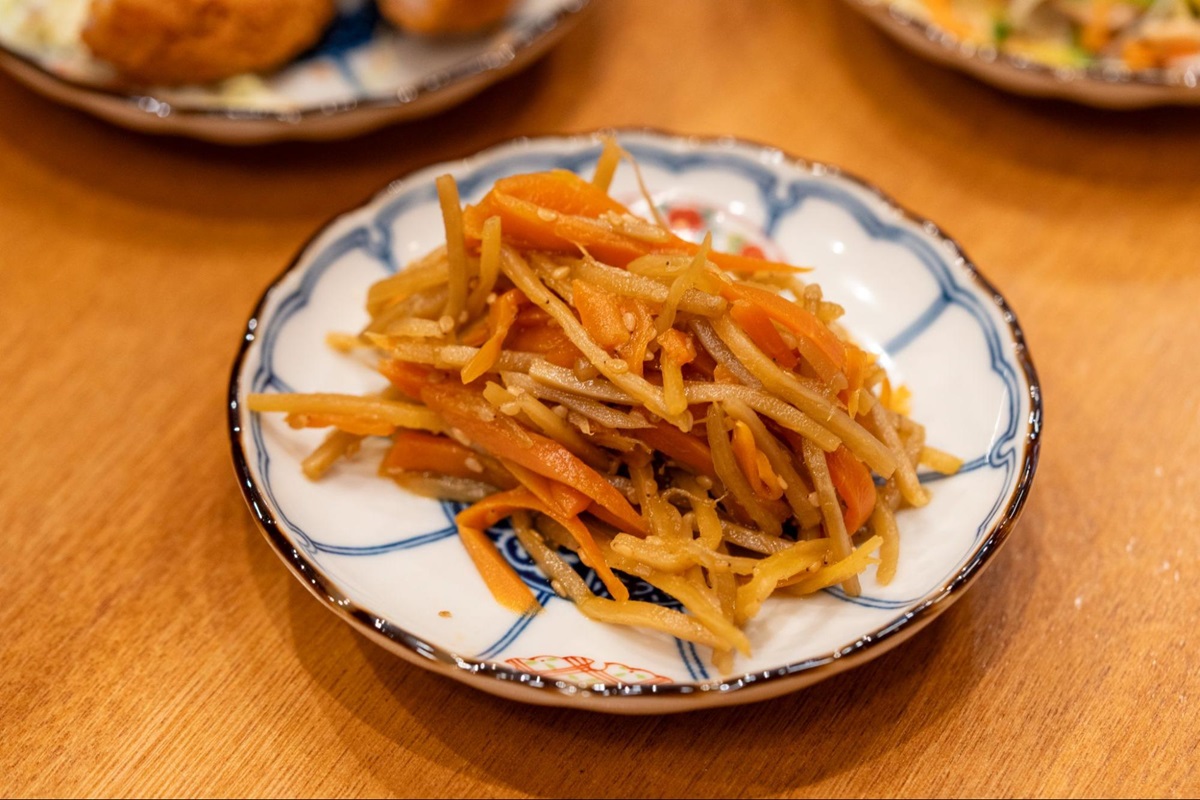
The most surprising dish, however, was the Kinpira Gobo (braised burdock root). While some versions emphasize crunch at the expense of leaving an earthy flavor behind, this one is cooked slightly longer and finished with vinegar, resulting in a clean, refreshing taste.
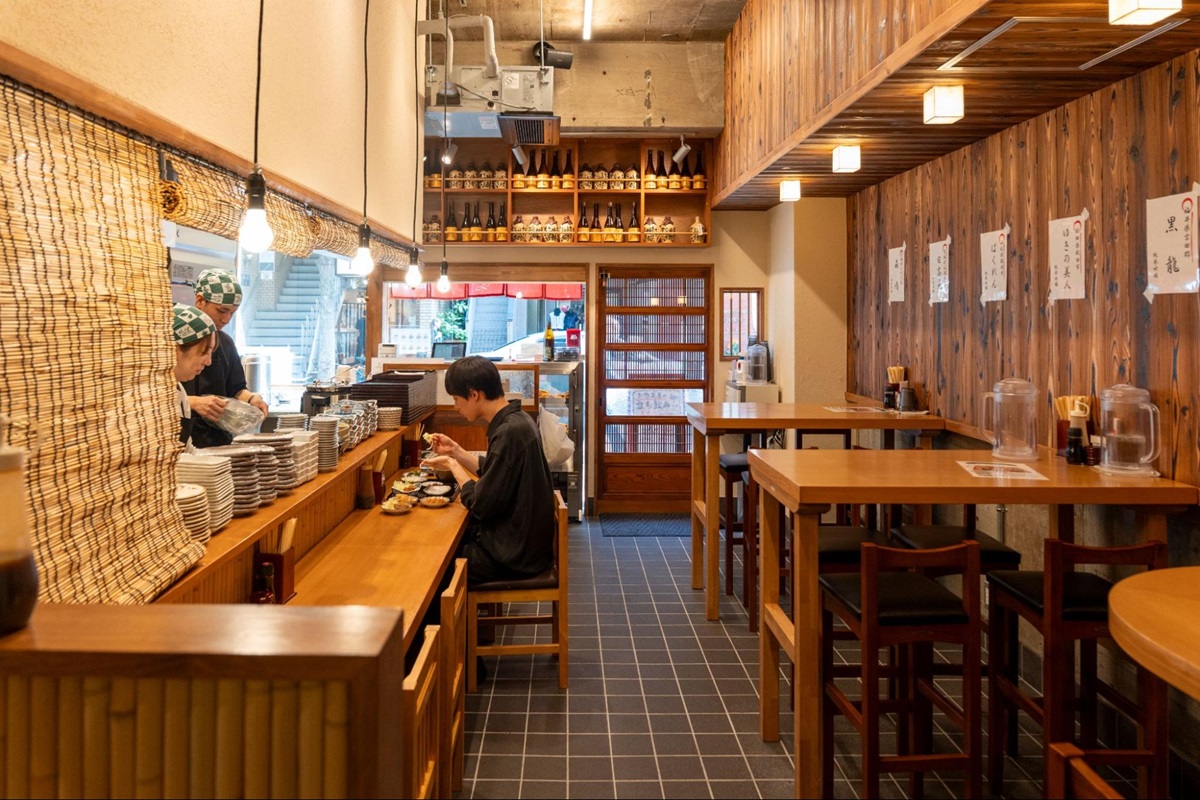
What stood out throughout the meal was the level of care typical of a dedicated delicatessen.
The onigiri were more filling than they appeared, and together with the fried dishes and side plates, made for a satisfying lunch capable of carrying you through the afternoon. The Tonjiru (pork miso soup) was also noteworthy, with the richness of the pork permeating the broth and chunks of green onion adding pleasant texture and aroma.
What united every dish was a respect for the ingredients themselves. Rather than relying on aggressive seasoning, each item highlighted its core flavors. The attention to detail was evident throughout, resulting in honest, everyday food that feels just as enjoyable on the hundredth visit as on the first.
“We Want to Preserve the Character of the Traditional Shopping Street”
A 28-Year-Old Owner’s Vision for a Local Gathering Place
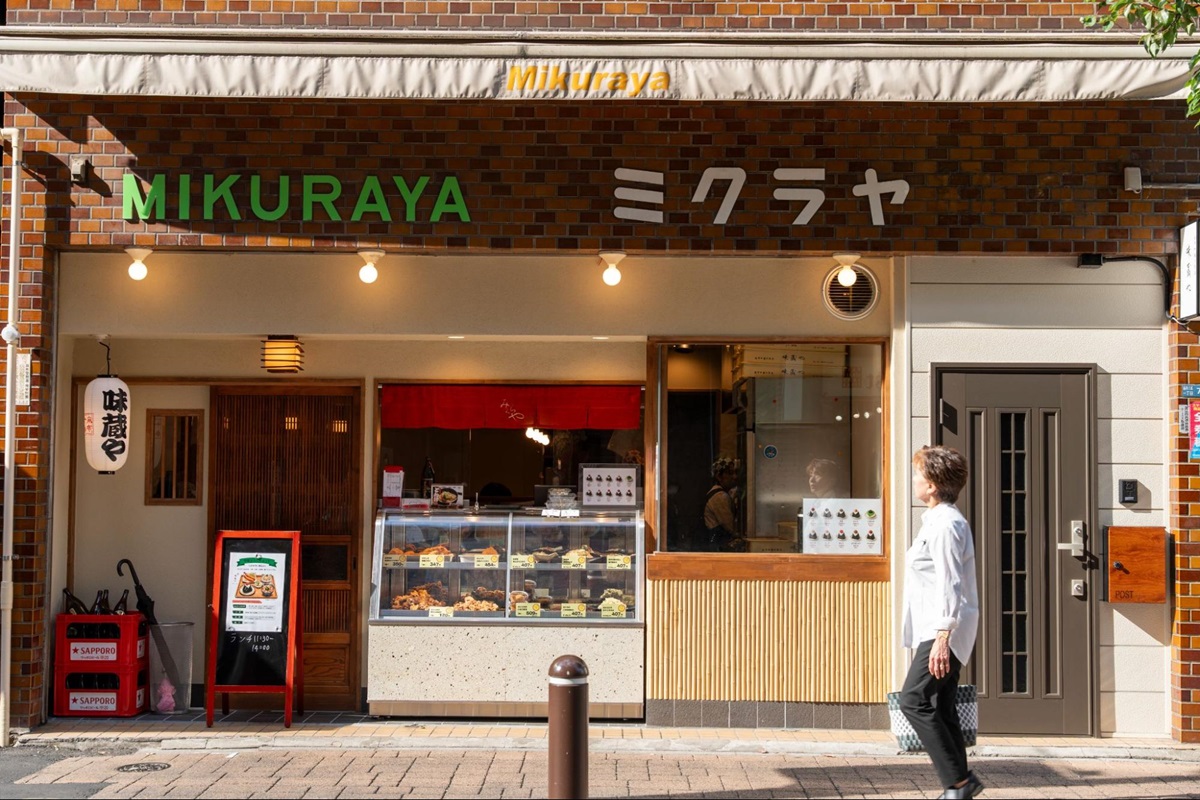
Before Mikuraya Azabu-Juban Sohonten opened, this location was home to a shoe store called Mikuraya Shoes.
According to a feature published in Juban Dayori, the newsletter of the Azabu-Juban Shopping Association, the former owner of Mikuraya Shoes was involved from the early stages in efforts to bring a subway line to Azabu-Juban, which was once referred to as an “isolated island” due to its lack of convenient transportation. The store therefore occupied a meaningful place in the neighborhood’s history.
The sign from the former shoe store remains on the facade of Mikuraya today. The current owners chose to inherit the pronunciation of the name and preserve elements of the signage because they wanted “to keep at least a small part of the traditional shopping-street streetscape alive.”
While quietly carrying forward the memory of the neighborhood, Mikuraya is also looking ahead. The owner hopes to refresh the lineup of fried foods every month and continues to explore new ideas for the shop.
Founded by an owner still in his twenties, Mikuraya was created with a simple goal: to provide a place where local residents could casually stop by for lunch or a drink after work in a neighborhood increasingly filled with upscale, fashionable establishments. As Mikuraya continues to grow, it will be fascinating to see what new memories and history it creates in Azabu-Juban.
For a closer look at Mikuraya, don’t miss our Instagram Reel:
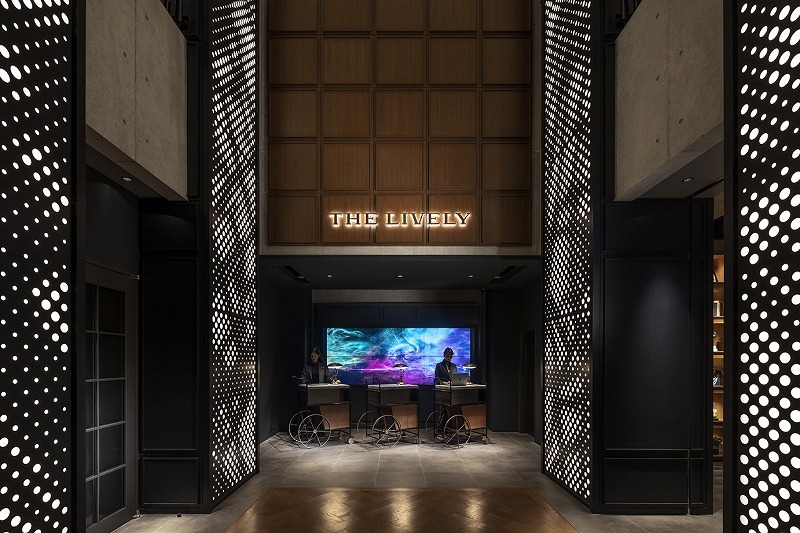
- Name: THE LIVELY TOKYO AZABUJUBAN
- Address: 1 Chome-5-23 Azabujuban, Minato-ku, Tokyo, Japan 106-0045
- Access:
- 3-minute walk from Azabu-juban Station on the Namboku Line and Toei Subway Oedo Line
- 10 minutes walk from “Roppongi” station (Tokyo Metro Hibiya Line / Toei Subway Oedo Line)