2026 Edition | Sakura (Cherry Blossom) Viewing Spots near THE LIVELY TOKYO AZABUJUBAN
*This article is written by the staff of THE LIVELY TOKYO AZABUJUBAN.
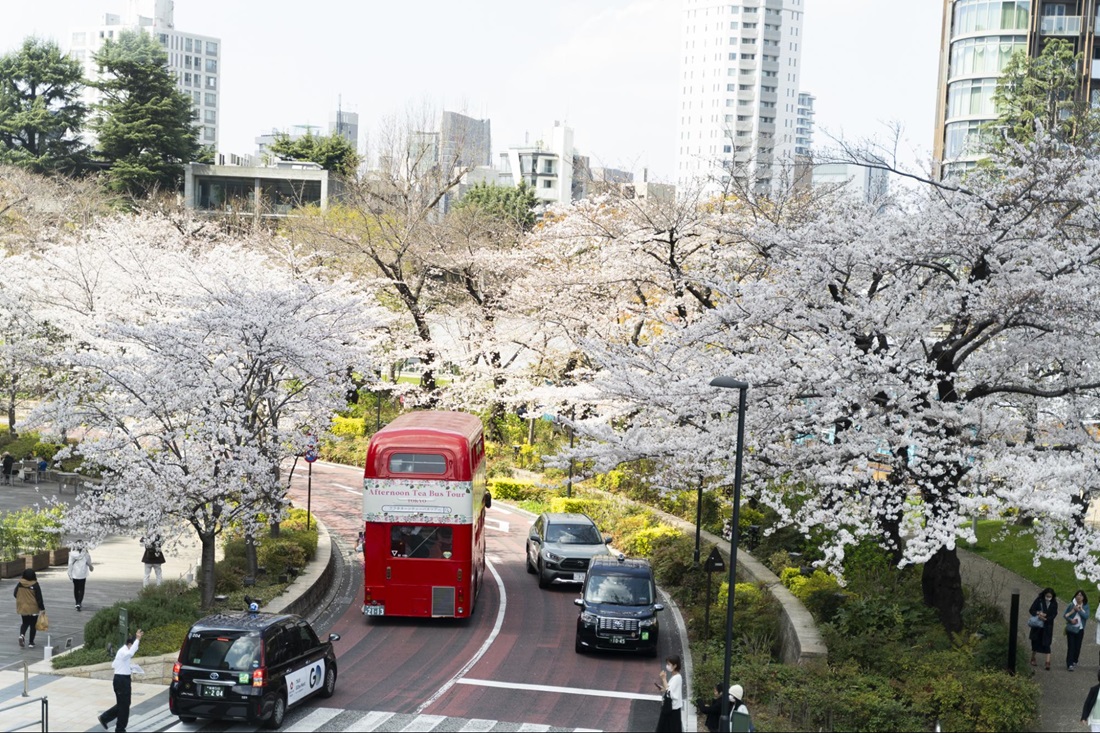
In Japan, “Spring” is more than just a transition from winter to summer; its status as a cornerstone of the four seasons is arguably owed to the presence of the “Sakura” (cherry blossoms).
For generations, sakura have held deep cultural and emotional significance in Japan. In recent years, however, this appreciation has extended far beyond Japan, and last year, the number of international tourists visiting during the blooming season reached a record high.
In this article, we have selected three cherry blossom viewing spots near our hotel. We hope our international guests will discover a deeper beauty that goes beyond what meets the eye.
Aoyama Cemetery
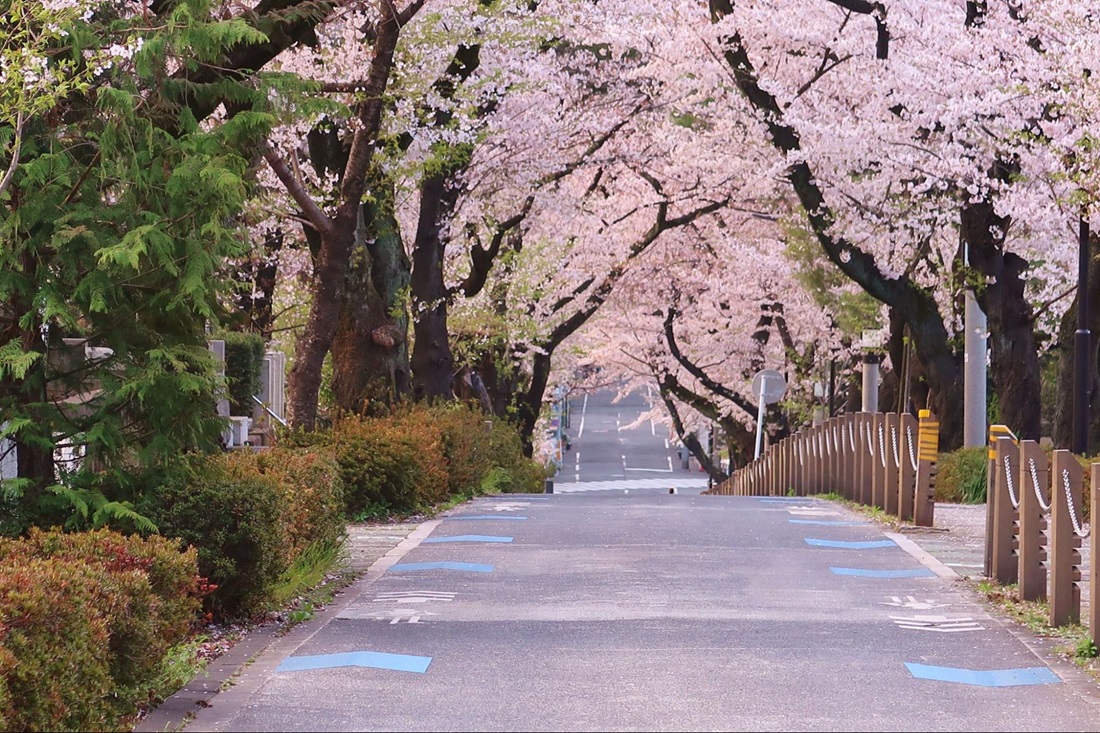
Opened in 1874 as Japan’s first and largest public cemetery, it spans an impressive 260,000 square meters. In spring, the cherry trees lining the 1.7km road running north to south form an overwhelming “sakura tunnel.” It is home to over 400 Somei-yoshino trees. As it is a place of rest, parties and large gatherings are prohibited, allowing it to remain a “hidden gem” where visitors can enjoy a peaceful stroll in the heart of the city. Located just a 10-minute taxi ride from the hotel, it is one of the most classic and authentic spots to visit. After taking in the beauty of the night blossoms, enjoying a quiet moment at the hotel’s rooftop bar is the perfect way to end the evening.
Arisugawa-no-miya Memorial Park
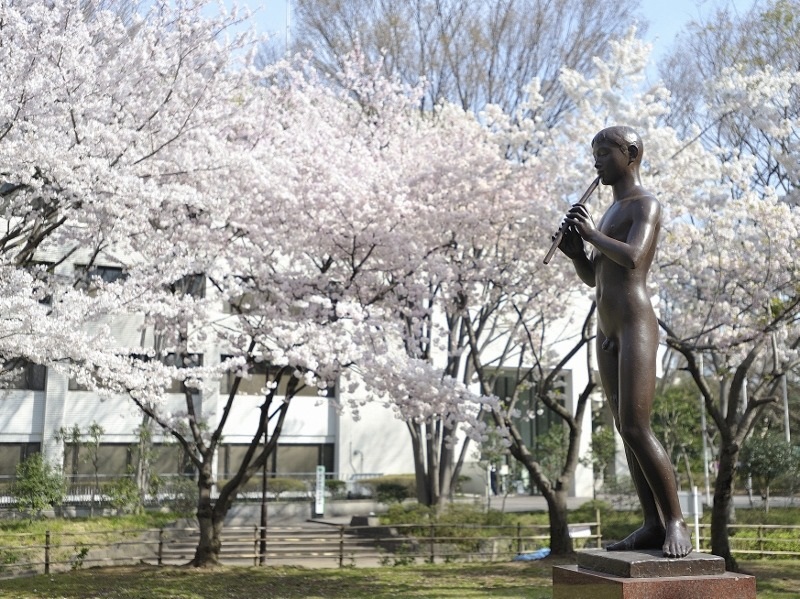
Built on the former site of the Arisugawa-no-miya imperial estate, this park is characterized by a traditional Japanese garden layout that utilizes its naturally hilly terrain. It is a 15-minute walk from the hotel, making it perfect for a casual stroll. The park features approximately 100 cherry trees across 11 varieties, including Somei-yoshino and Yamazakura. The highlights include the blossoms reflecting on the pond at the southwest side and the vibrant trees in the hilltop plaza. It is a great place to bring a picnic mat and relax. If you have breakfast at the hotel and pick up the ingredients you need for a picnic at a local supermarket, you can head out and enjoy the cherry blossoms while the sun is still high in the sky.
Roppongi Sakurazaka
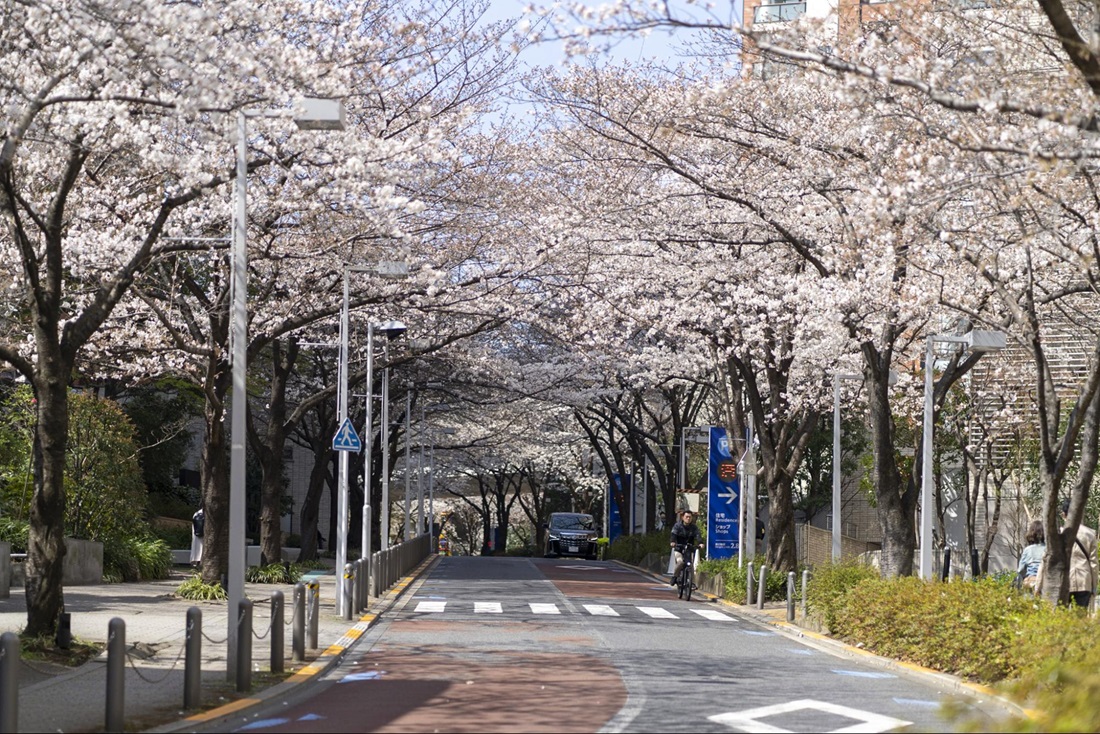
A 400-meter tree-lined path located in the residential area of Roppongi Hills. Approximately 75 Somei-yoshino trees, planted during the area’s redevelopment, bloom so vigorously in spring that they seem to arch over the road. The area offers a sophisticated, urban landscape. The pedestrian bridge over the slope is an excellent photo spot where you can view the blossoms up close at eye level. Every year, LED illuminations are held during the peak blooming period, offering a mystical night-viewing experience that differs from the daytime. Since it is only a 6-minute walk from the hotel, it is a spot you can easily visit even during a busy schedule. After enjoying happy hour in the hotel lounge, you might take a refreshing evening stroll to enjoy the atmosphere.
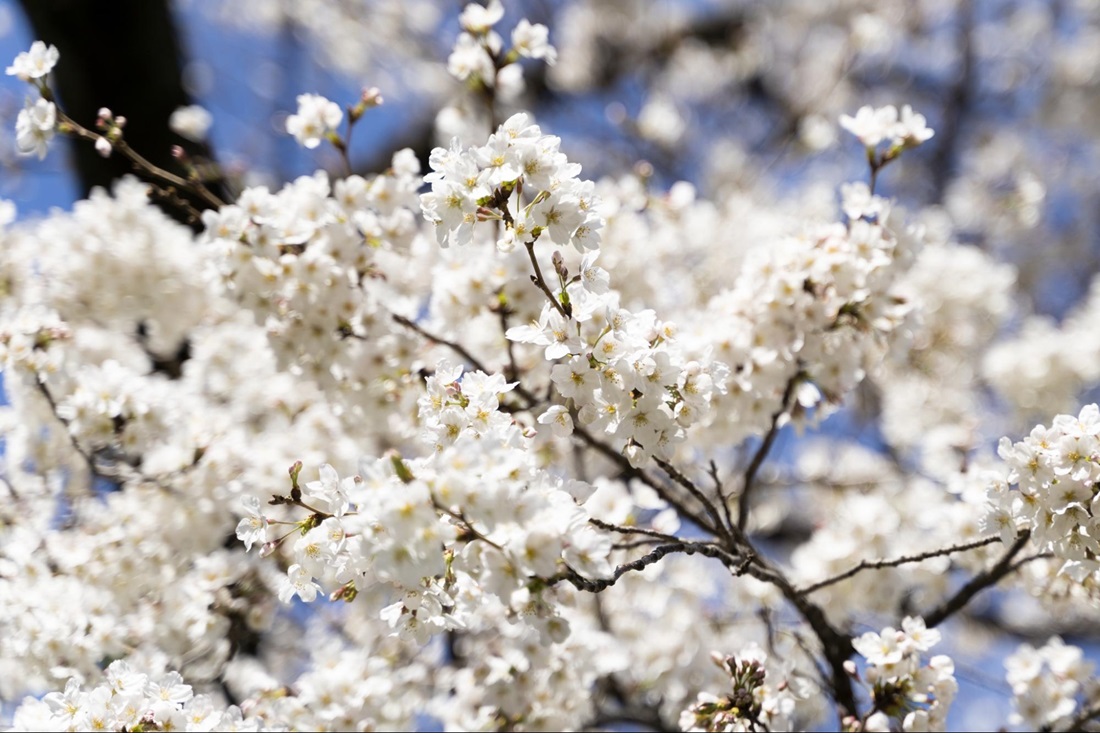
In addition to these, Tokyo Midtown, Mohri Garden, and Spain-zaka are also recommended cherry blossom viewing spots within walking distance of the hotel. As they are located in or near major commercial facilities, you can enjoy the cherry blossoms while shopping. Furthermore, if you expand your exploration to the wider Tokyo area, Ueno Park, Meguro River, and Sumida Park are must-visit destinations and can be considered true hotspots for cherry blossom viewing.
Your Guide to a Perfect Sakura Day

9:00AM | Morning: Enjoy Breakfast at the Hotel
Start your day with our newly renovated breakfast at the restaurant on the second floor. Choose from four set menus and enjoy unlimited bread. It’s the perfect way to recharge and prepare for a full day of exploration.
Around 10:00AM | Morning: Pick Up Picnic Supplies
Before heading to Arisugawa-no-miya Memorial Park, stop by the nearby National Azabu supermarket. You’ll find a wide selection of international delicacies, fruits, and drinks—ideal for a picnic.
Around 11:30AM | Late Morning: Enjoy Cherry Blossoms at Arisugawa-no-miya Memorial Park
Arrive at the park while the sun is still high and enjoy a picnic lunch surrounded by cherry blossoms in full bloom. Relax in the peaceful atmosphere and take in the beauty of spring.
Around 2:30PM | Afternoon: Shopping in the Roppongi Area
After enjoying the blossoms, head to the Roppongi area for shopping and café hopping. Roppongi Hills and nearby galleries are also well worth a visit.
Around 6:00PM | Evening: Return via the Illuminated Sakura-zaka
As the sun begins to set, make your way back to the hotel along the beautifully illuminated Sakura-zaka. Experience the magical atmosphere of the cherry blossoms at night.
7:30PM | Night: Relax at the 9th-Floor Rooftop Bar
End your day at the rooftop bar on the 9th floor. While reflecting on the beauty of the night blossoms, enjoy a drink and unwind in an elegant, relaxed setting.
Beyond What Meets the Eye: The Essence of Sakura
Lafcadio Hearn, the journalist and essayist who moved to Japan in 1890, described these blossoms in his book Glimpses of Unfamiliar Japan as follows:
“When, in spring, the trees flower, it is as though fleeciest masses of cloud faintly tinged by sunset had floated down from the highest sky to fold themselves about the branches. This comparison is no poetical exaggeration ; neither is it original : it is an ancient Japanese description of the most marvelous floral exhibition which nature is capable of making. The reader who has never seen a cherrytree blossoming in Japan cannot possibly imagine the delight of the spectacle. There are no green leaves ; these come later : there is only one glorious burst of blossoms, veiling every twig and bough in their delicate mist ; and the soil beneath each tree is covered deep out of sight by fallen petals as by a drift of pink snow.”
Hearn was captivated by this “essential beauty”—a state where beauty exists as an inherent quality of the sakura itself—while also turning his attention to its “existential beauty,” where Japanese people imbue the mere existence of the blossoms with profound value. In the book, he notes, “the Japanese cherry-trees are emblems. Those planted in old samurai gardens were not cherished for their loveliness alone. Their spotless blossoms were regarded as symbolizing that delicacy of sentiment and blamelessness of life belonging to high courtesy and true knightliness.”
This reveals how Hearn keenly perceived the unique Japanese aesthetic, which extends even to views on life and death. Sakura has long been cherished not just as a vivid herald of spring, but as a lyrical “symbol” of transience, purity, and—in more recent times—the emotions of partings and new beginnings. Hearn also observed in his writings that the Japanese sensibility to the poetry of life found in trees and flowers is “something of religious feeling.”
Through Hearn’s reflections, we are invited to rediscover the sakura not merely as a seasonal spectacle, but as a timeless symbol of beauty that continues to resonate with people today.
THE LIVELY TOKYO AZABUJUBAN